
Wayanad Food Guide: What to Eat, Where to Find It, and Why It Tastes Different Here
The best food in Wayanad does not appear on any restaurant review platform. It is cooked in estate kitchens, tribal cooperative halls, and roadside stalls by people whose families have made the same dishes for generations — using ingredients harvested that morning, often within view of the kitchen.
What Makes Wayanad Food Distinct
Wayanad cuisine is not standard Kerala cooking with a view. Three food cultures converge at this highland border: the Kerala base of coconut oil, river fish, and slow curries; the Karnataka and Tamil Nadu influences that bring in jaggery, dry spicing, and crisper textures; and the Adivasi food tradition of bamboo grains, forest tubers, wild ginger, and medicinal plant preparations that have never entered the commercial food economy. The freshest, most interesting ingredients rarely reach any market — they are consumed where they are grown.
Five Dishes You Must Seek Out
Bamboo Rice — Mulayari Kanji
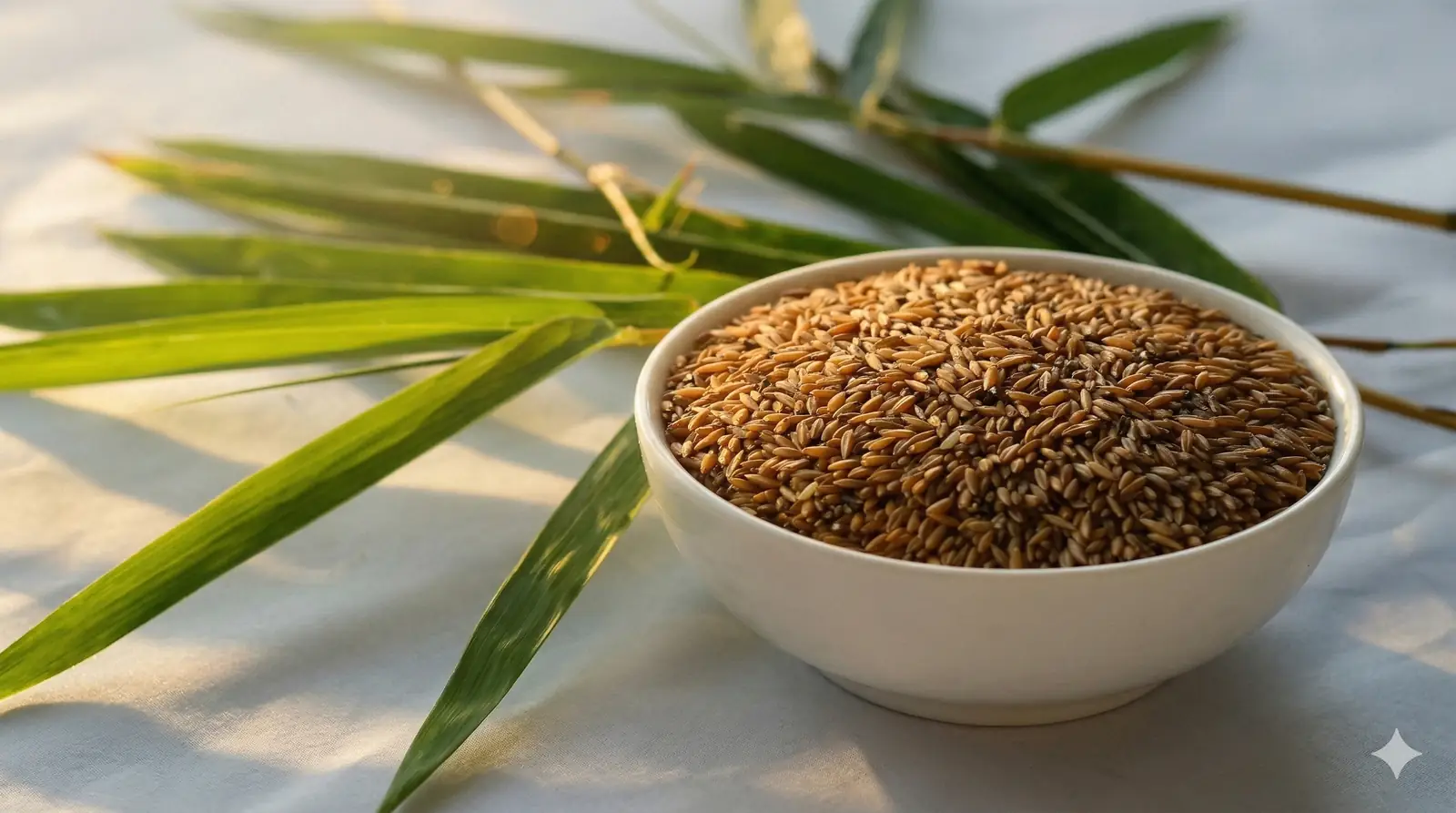
Among the rarest food ingredients in the world. Bamboo rice is not cultivated — it is the seed grain produced by bamboo during mass flowering, a biological event that occurs once every 40–120 years per species. The Kattunayakan and Paniya communities harvest it as a forest staple during these brief windows. The grain has a nutty, slightly wheaten flavour — richer than white rice, with a texture between rice and semolina. Most commonly served as a thick porridge with forest honey and coconut milk. Available at En Ooru Tribal Heritage Village and Girijan Cooperative outlets in Mananthavady and Sultan Bathery — stock is seasonal and worth asking about.
Slow-Cooked Wild Meat Preparations
Small restaurants in Mananthavady and eastern Wayanad serve slow-cooked wild boar and venison curry — marinated in black pepper, dried red chilli, forest ginger, and local dried herbs, then cooked for hours in clay pots. The depth of flavour is unlike anything from a restaurant recipe. Verify the meat is from a licensed farm before ordering.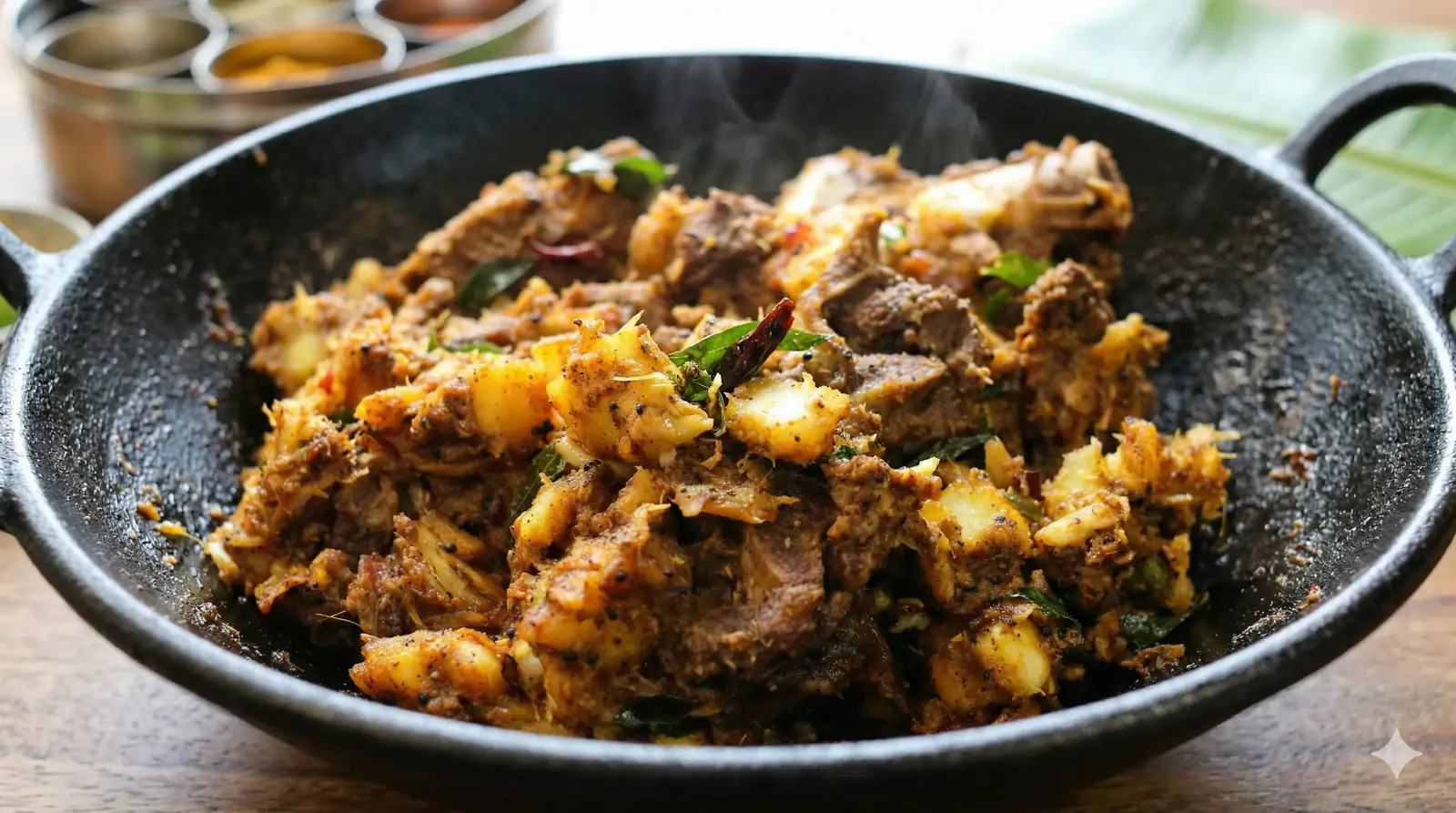
Kappa Biryani with Fresh Tapioca
Wayanad's version uses freshly harvested local tapioca — a texture and flavour difference immediately perceptible over stored commercial stock. Mashed, seasoned with coconut milk and whole spices, served alongside free-range chicken curry. Available throughout the Vythiri–Kalpetta belt at roadside eateries for under ₹100 per person.
Estate Filter Coffee at 6 AM
Wayanad Robusta, freshly roasted and brewed through a traditional South Indian filter decoction set, served in a stainless steel dawara tumbler on a plantation veranda with the coffee trees visible 20 metres away — this is a sensory memory that stays with you. Ask your homestay host specifically whether their coffee is from estate stock. The answer, when yes, changes the cup completely.
 Kattunayakan Forest Honey
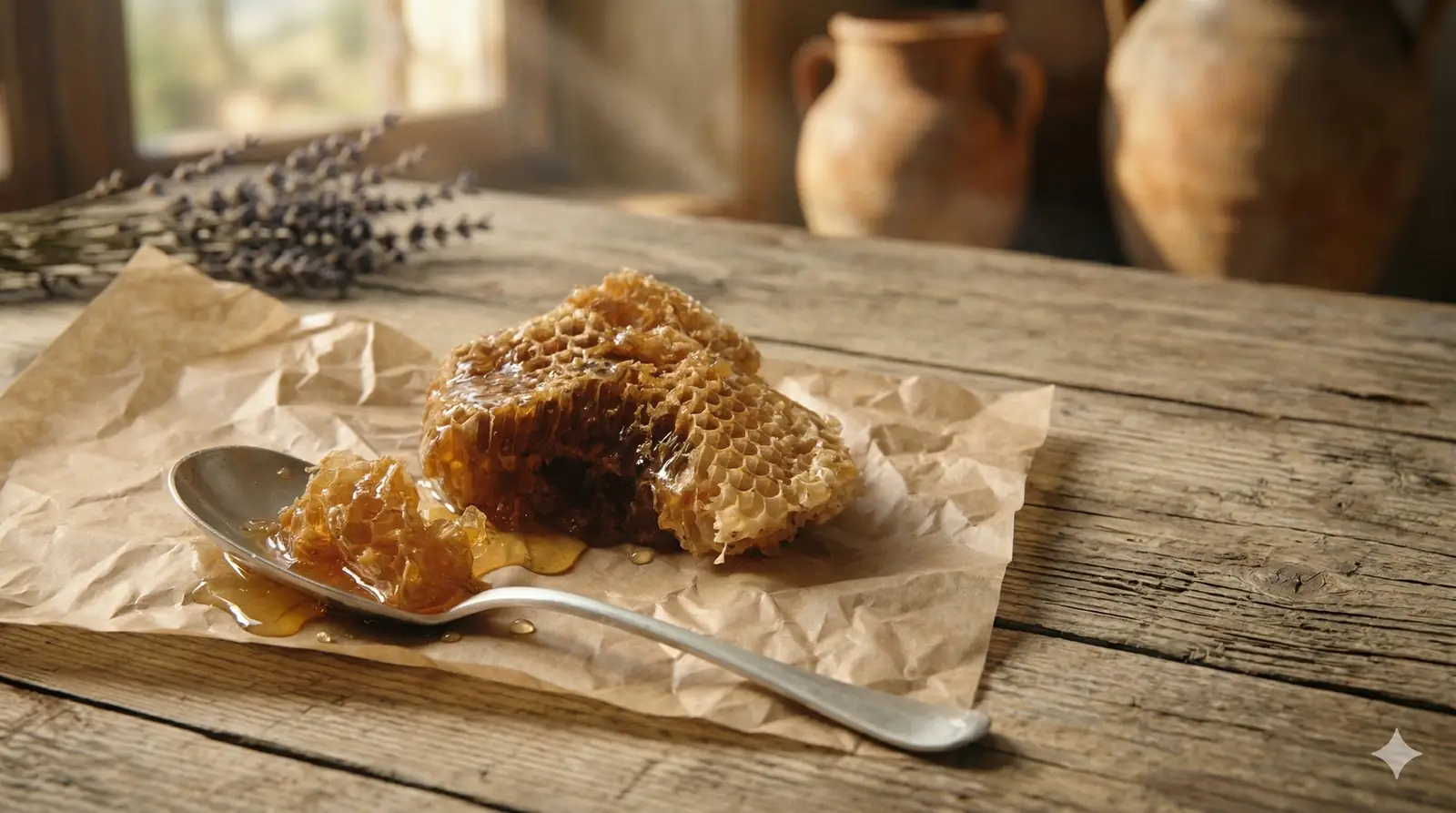
Harvested from cliff-face hives using traditional fire and smoke techniques, this honey is darker, more complex, and higher in antimicrobial activity than commercial varieties — with a distinctly resinous quality from the range of forest flowers the bees access. Spread on fresh Malabar pav from a Mananthavady bakery. Buy only from the Girijan Cooperative to ensure it is what it claims to be.
Where to Eat — Zone by Zone
Kalpetta
Skip the laminated-menu tourist restaurants. Look for small rice meals establishments where the daily menu is written in Malayalam on a whiteboard and the fish curry changes with what came to market that morning. Malabar fish curry, red rice, fried fish, two vegetable preparations — under ₹80 per person.
Mananthavady
The Muslim-owned street food stalls near the bus stand are exceptional for evenings: beef fry, pathiri (thin rice pancakes), and unnakaya (sweet plantain dumplings filled with coconut and cardamom). The town bakeries supply fresh pav from early morning — buy a bag for breakfast with forest honey.
Estate and Farmstay Kitchens — The Best in Wayanad
Without qualification. Red rice puttu with kadala curry made from estate-harvested cardamom. River fish curry with home-grown drumstick sambar. Slow-cooked beef with soft porotta in the evening. All grown, cooked, and consumed within a few hundred metres. This is not farm-to-table as a marketing phrase — it is simply how these families eat, and they share it with their guests generously.
Find homestays where meals come from the family kitchen. Search 'home-cooked meals' at decoupen.com.