
Wayanad in Monsoon Season: The Honest Guide Nobody Else Will Write
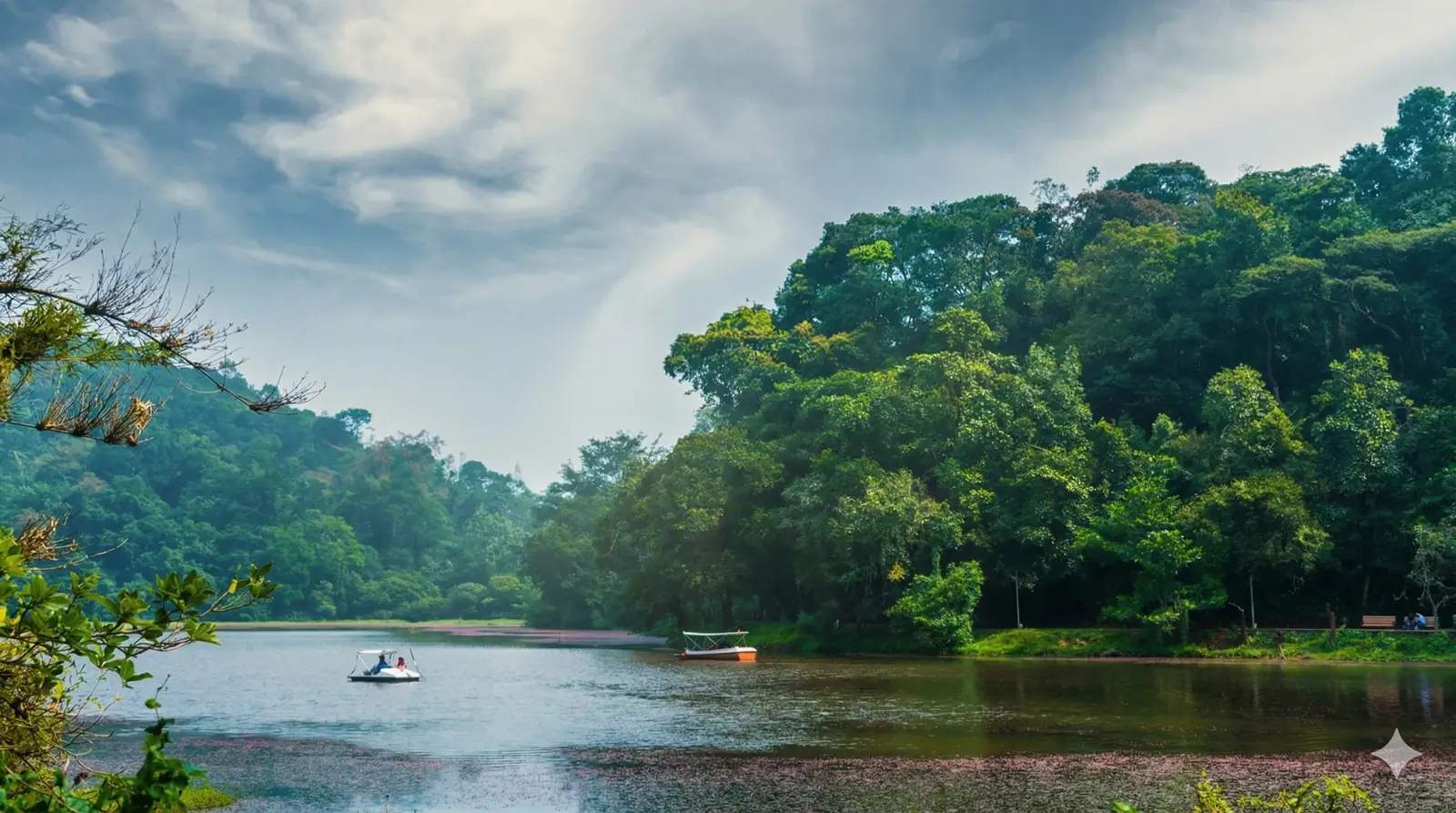
Monsoon Wayanad is spectacular for some travellers and genuinely wrong for others. Knowing which category you fall into before you book is worth more than any discount notification.
What Monsoon Actually Looks Like
The southwest monsoon arrives in June and peaks through July–August with sustained heavy rainfall — not passing showers but days of continuous downpour. A northeast monsoon follows in October–November, gentler and patchier. September is transitional: the visual drama of full-monsoon lushness with improving weather windows. The landscape transforms completely — every hillside streams with waterfalls invisible in other seasons, cardamom flowers scent the air, and the highlands turn an almost electric green.
What Works Well in Monsoon Wayanad
Plantation and Estate Stays
This is monsoon Wayanad's strongest offering. Sitting on a coffee estate cottage porch watching rain sweep across the valley in silver sheets — with freshly brewed single-estate coffee in your hands — is an experience money cannot buy at a peak-season resort. Several plantation properties on decoupen.com offer monsoon pricing at 30–50% below December rates.
Kuruva Island Rafting (Early June Only)
In early June before the Kabani river exceeds safe thresholds, bamboo rafting at Kuruva Island is extraordinary — deeper, faster water, impossibly lush island vegetation, and almost no other visitors. This window lasts roughly two to three weeks before the Forest Department suspends operations.
Ayurvedic Treatments — Karkidaka Season
Traditional Kerala Ayurveda designates July–August as Karkidaka month — the period when humidity opens the body's pores and makes oil-based treatments most effective. Several Wayanad properties offer Karkidaka packages at significantly lower prices than peak season. If Ayurveda is your travel purpose, this is the optimal time.
Chembra Peak Trek in September
As the monsoon eases in September, Chembra Peak's trail becomes accessible again — wild with monsoon wildflowers, the heart-shaped summit lake at its fullest, and the hillsides draped in green. Slippery conditions require proper boots and a licensed guide, but the visual reward is unlike any other season.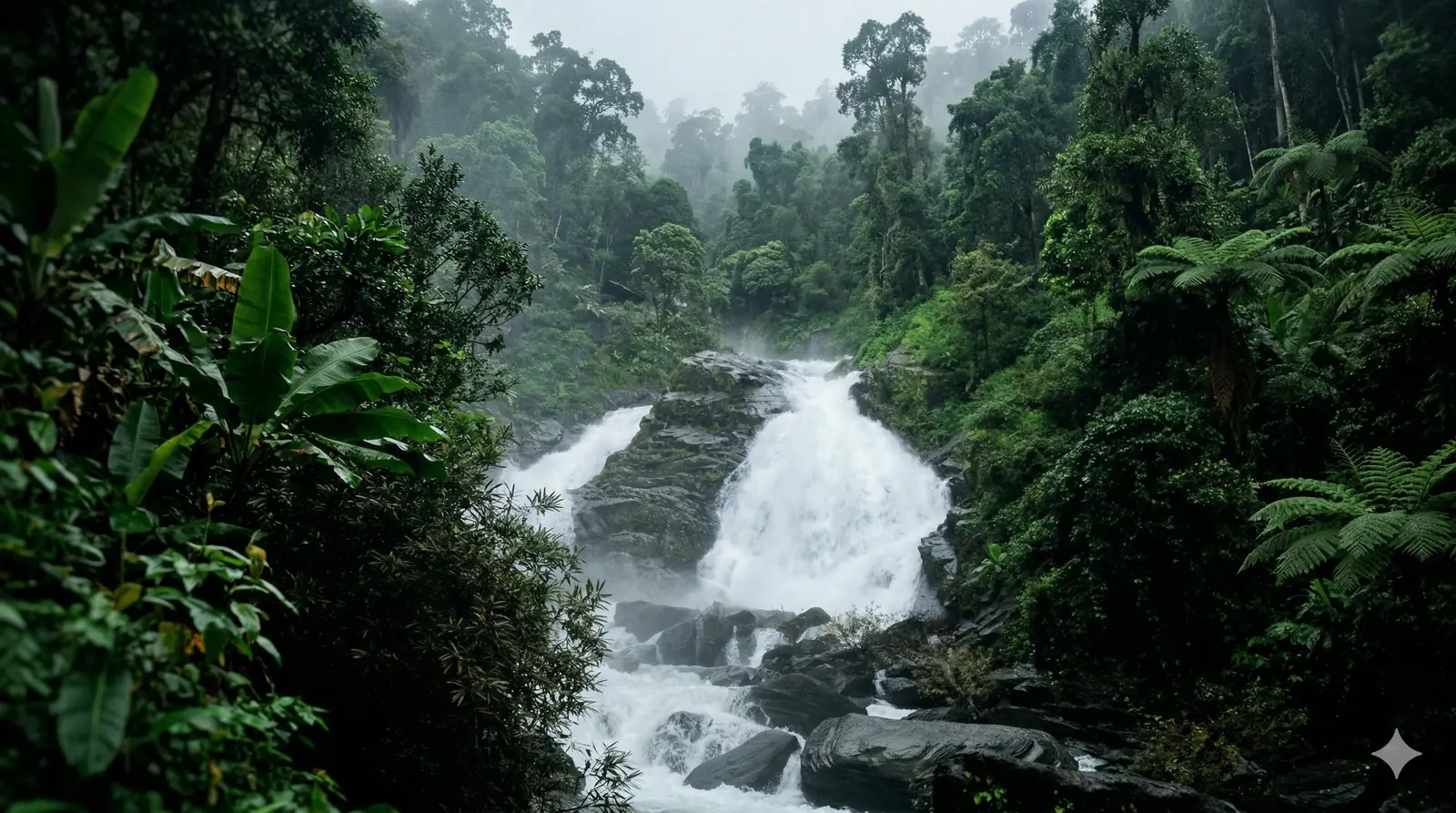
What Doesn't Work in Monsoon — Honestly
- Most waterfalls (Soochipara, Meenmutty, Kanthanpara) are restricted or closed when water levels peak — the flow that makes them impressive also makes them dangerous.
- Wayanad Wildlife Sanctuary (Muthanga and Tholpetty) is partially closed June–September for forest regeneration. Safaris are suspended.
- Camping is uncomfortable and potentially unsafe in peak monsoon.
- Night ghat driving is stressful in heavy rain and low visibility — not recommended for unfamiliar drivers.
Who Should Visit in Monsoon?
Ideal monsoon travellers are: couples who value atmosphere over activity volume, landscape and rain photographers, Ayurveda seekers wanting optimal treatment conditions, and budget travellers who want premium stays at significant discounts. If you're travelling with school-age children or need the full outdoor activity menu, plan for October–February instead.
October: Wayanad's Most Underrated Month
After the southwest monsoon ends, October delivers Wayanad at its most photogenic — maximum lushness, full-flowing waterfalls, active wildlife, and no peak-season premiums or crowds. Almost no mainstream travel content mentions this. If your dates are flexible, October is the single best month to visit Wayanad.
💡 Budget Tip: Monsoon and October rates at plantation homestays and forest cottages on decoupen.com are often 30–50% below December peak pricing — for identical quality of stay.
Monsoon packages and October availability live on decoupen.com. Book before the season fills up.