
Wayanad Tourism 2025–2026: Responsible Travel After the Landslides
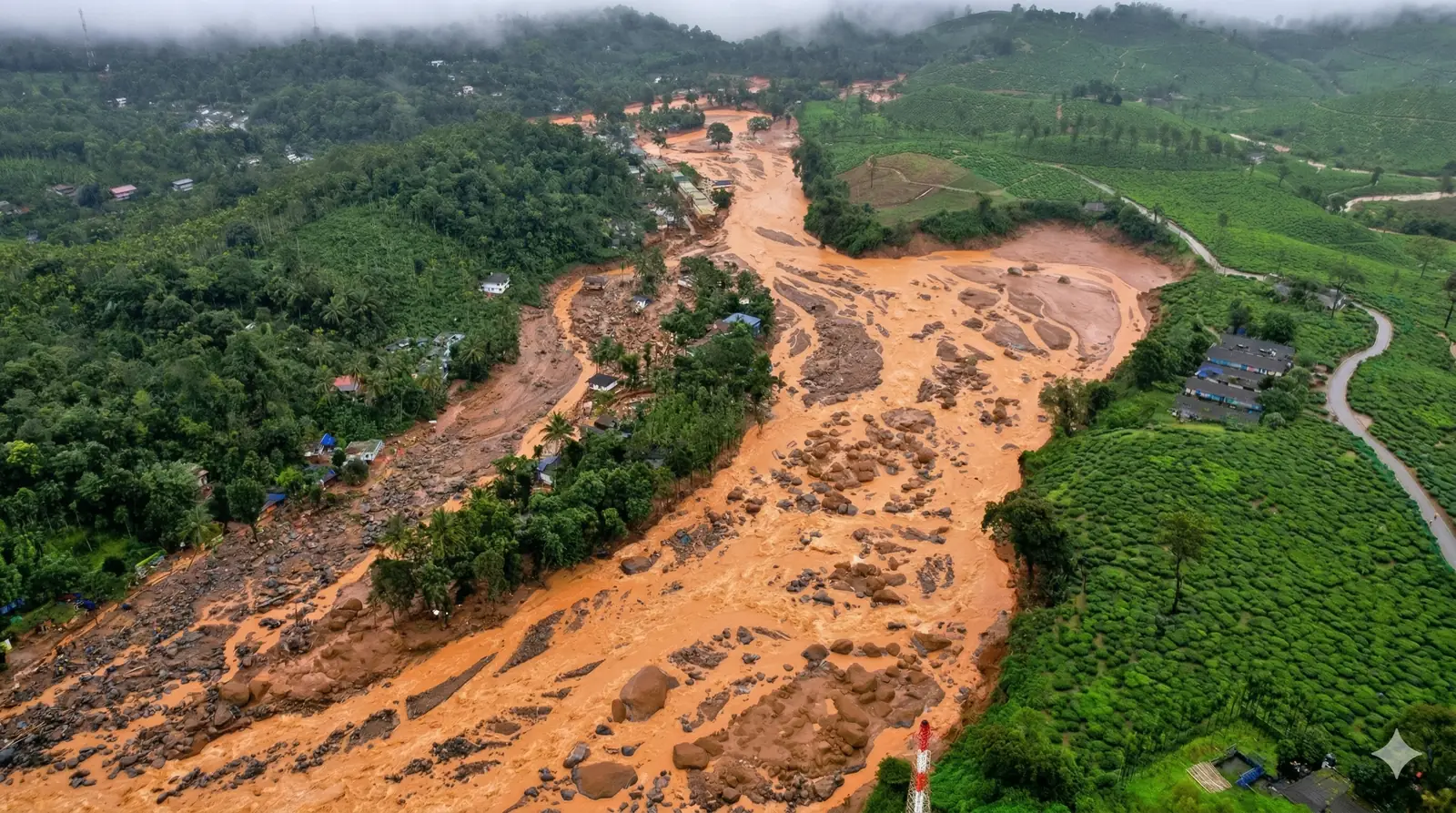
In July 2024, the Mundakkai-Chooralmala landslides claimed over 400 lives in the Meppadi area — among the worst disasters in Kerala's recorded history. Wayanad's forests, wildlife, and the vast majority of its tourism areas are intact. Its people are recovering. How you travel here now has real consequences for real families.
What Happened: A Brief Account
At approximately 2 AM on 30 July 2024, a series of catastrophic landslides struck the Mundakkai and Chooralmala settlements in the Meppadi panchayat area, triggered by extreme monsoon rainfall on already-saturated slopes. The affected settlements housed primarily Tamil tea and coffee plantation workers and their families. The death toll exceeded 400 confirmed fatalities, with hundreds more still listed as missing. It prompted a national conversation about climate-sensitive land use in the Western Ghats and the vulnerability of plantation worker communities — a conversation that continues.
What Is Open, What Is Not
Fully Open and Operating Normally
The vast majority of Wayanad's tourism geography is completely unaffected. Sultan Bathery, Mananthavady, Kalpetta, Vythiri, Lakkidi, all major wildlife sanctuaries (Muthanga, Tholpetty), Edakkal Caves, Kuruva Island, Banasura Sagar Dam, Pookode Lake, Chembra Peak, Thirunelli Temple, Soochipara and Meenmutty Falls — all fully open. Both ghat roads (Thamarassery Churam and the Gudalur entry) are fully operational.
Areas Still in Recovery
The Mundakkai–Chooralmala stretch of the Meppadi–Nilambur road remains restricted in sections where reconstruction continues. Some upstream forest trails near the slide zone are closed pending geological safety clearance. Rehabilitation of displaced families is ongoing in the Meppadi belt.
New Infrastructure (2025)
The Mundakkai suspension bridge was completed in 2025, restoring connectivity to the affected area. Permanent rehabilitation housing for displaced families is under construction outside the landslide hazard zone. Meppadi–Nilambur road improvements are expected to reach completion by mid-2026.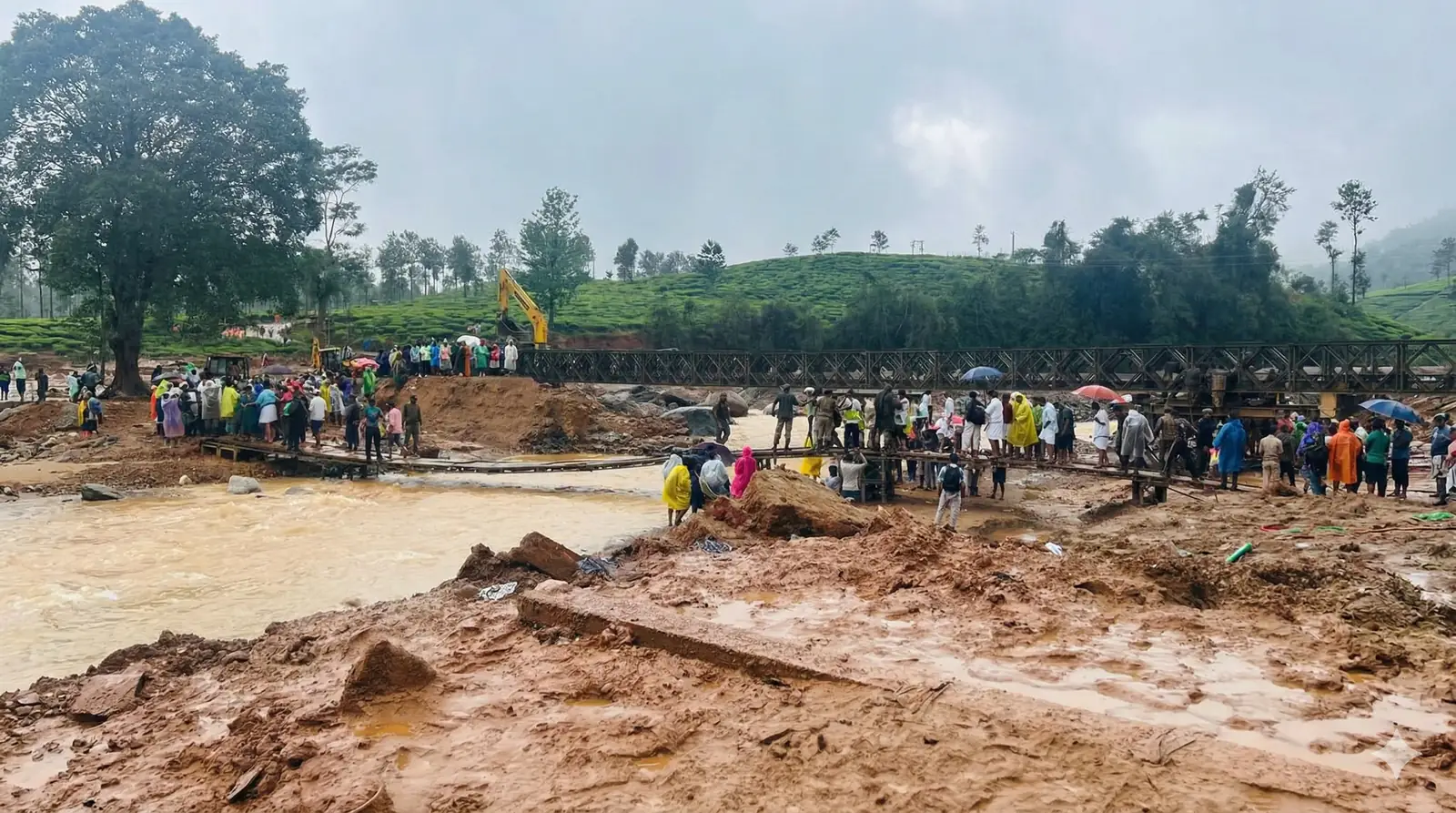
How Your Visit Directly Supports Recovery
Choose Locally Owned Accommodation
Every night at a family-run homestay circulates money through the local economy: a local cook, a local housekeeper, a local food supplier. Chain resorts extract a significant share of room revenue outside Kerala. On decoupen.com, all locally owned properties are identified and filterable — this was the platform's founding principle.
Buy Directly From Local Producers
The Meppadi area has a cluster of small family spice and coffee businesses whose livelihoods were directly impacted by the disaster and the tourism caution that followed. Purchasing directly from these producers — not highway souvenir aggregators — makes a meaningful and immediate difference.
Support Active Rehabilitation Organisations
Kudumbashree Wayanad has been active in livelihood restoration for displaced plantation families through craft and food processing programmes. The CMDR (Centre for Migration and Inclusive Development) focuses specifically on plantation worker community welfare. Both accept contributions and sell community-produced goods through their Mananthavady and Kalpetta offices.
Responsible Behaviour Near Affected Areas
- Do not visit Mundakkai or Chooralmala for disaster tourism or photography. These are active grief sites for surviving families — treat them as you would a cemetery.
- Do not post unverified road closure information on social media. Misinformation travels fast in travel communities and has documented economic consequences for Wayanad's businesses.
- If a local person mentions a personal connection to the disaster, respond with empathy and silence — not curiosity or questions.
Should You Visit? The Clear Answer.
Tourism supports the livelihoods of tens of thousands of Wayanad families — guides, drivers, homestay operators, farmers, artisans, and hospitality workers. Every cancelled booking compounds the economic disruption of the disaster. Visiting and spending thoughtfully is not tasteless. The local community's message is unambiguous: come.
Come for Wayanad's forests, its wildlife, its history, its food, and its people. Spend in ways that keep the money with the families who live here. That is the most practical form of solidarity available to any traveller.
Wayanad is open, alive, and grateful for your visit. Browse locally owned stays at decoupen.com — every booking supports a Wayanad family directly.